
Returning to Ota after 18 years, a place filled with childhood memories.
– Please tell us about your background and how you came to live in the Ota area.
I was born in Wakayama City, and when I was in kindergarten, my family moved to Ota because of my father’s job. In my first year of high school, we moved back to Wakayama City for the same reason. After graduating from high school and junior college, I joined a sheet metal company and worked there for about 14 years.
My position was in general administration, but the company president believed that “even office staff should be able to do anything.” I was interested in many things, so I was given a wide range of experiences. I drove forklifts, delivered goods by truck, and sometimes traveled as far as Kobe to clean the inside of machines, getting completely covered in soot. After work, we would all go out to eat together. I really enjoyed it.
The confidence I gained from learning that “if you try, you can do it,” and my comfort with machinery, I feel, are connected to the farming I do now.
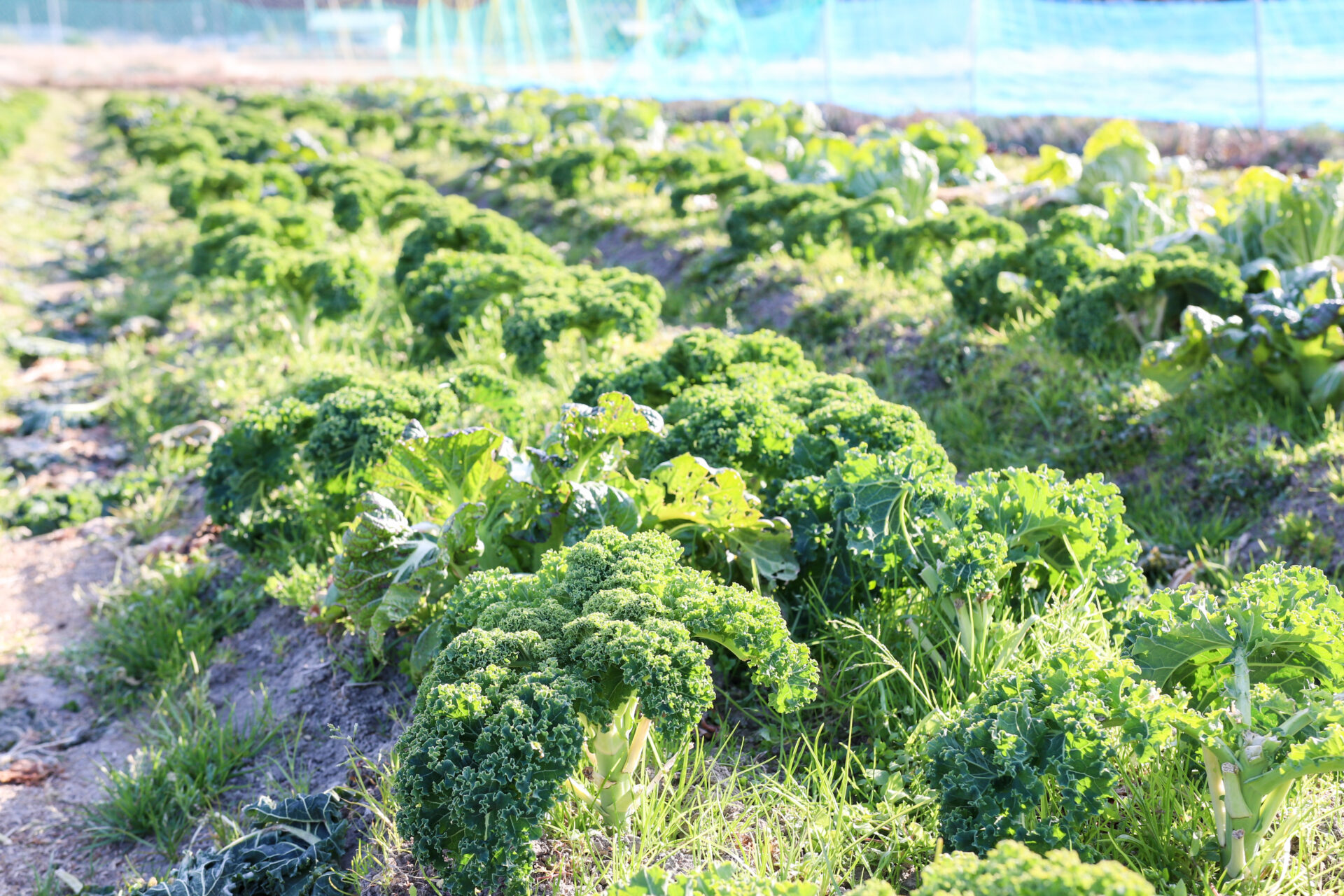
The turning point came when I felt I had reached a milestone in my job. Around that time, my husband’s workplace mentioned a labor shortage in the Kinan region. Since my family home was still in Ota, I was the one who encouraged him, saying, “Let’s go!” We moved back around January 2012, a few months after the 2011 Kii Peninsula flood disaster.
– How was it to start over in a place you had been away from for so long?
At first, it was inconvenient because even small errands like buying clothes required traveling a distance. But more than that, I felt strongly, “I’m back,” and “What should I do here from now on?” My husband, however, is from Wakayama City and had no friends here, and it was his first time living in the countryside, so it may have been difficult for him. Now he enjoys the quiet rural life and also looks forward to occasionally visiting his family home in Wakayama City.
Starting rice cultivation from scratch, without machines or know-how.
– How did you begin farming?
My parents had been part-time farmers, but when they moved back to Wakayama City, they sold all the machinery, leaving only one tractor. That alone wasn’t enough to grow rice, and buying equipment required money. I had only helped a little as a child and had no real knowledge, so I didn’t know what to do.
At that time, I met someone of my generation who was about to start farming. He said, “I have all the machinery, but no one who can operate it.” I replied, “I can work, but I don’t have equipment,” and we began farming together.
I trained with him under his mentor for three to four years. Later, his machines were damaged in heavy rain and he quit farming, but he gave me an important opportunity. By then I had gained skills, and I gradually collected equipment through used purchases and gifts, so I decided to continue on my own.
– What does a typical workday look like?
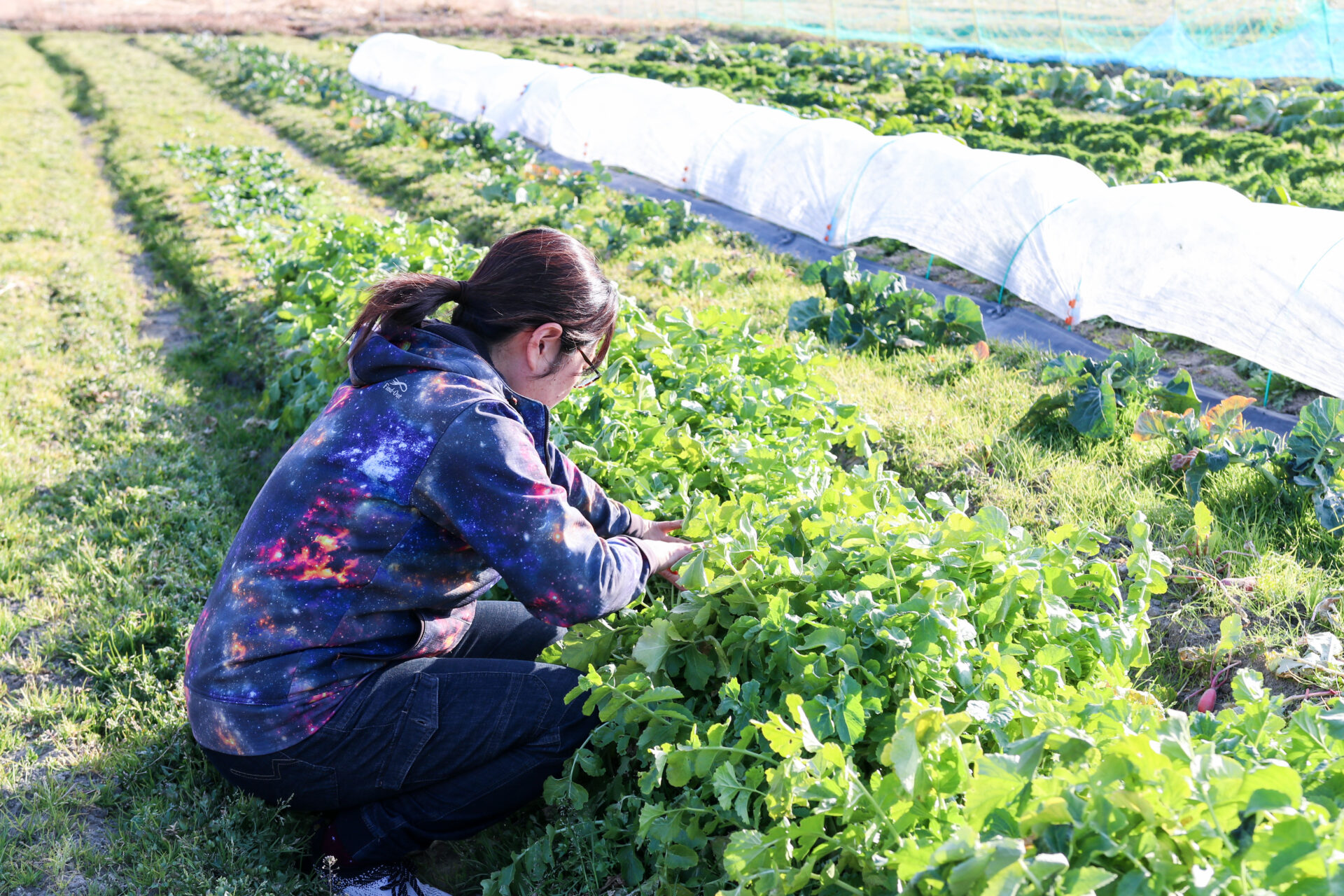
It varies greatly by season. Winter is relatively slow. In the morning, vegetables are frozen solid, so I start harvesting around 10 a.m. when they begin to thaw. After packing them, I deliver them to A-Coop, then return to prepare the next crops or till the soil. Since the days are short, I finish around 4 p.m.
Spring and summer are much busier. When rice cultivation begins, I work almost daily on raising seedlings in the greenhouse and preparing the paddies. At the same time, it’s also the planting season for vegetables, so I make ridges, lay plastic mulch, and transplant seedlings. Since rice and vegetables progress simultaneously, I plan and adjust my schedule carefully. After rice planting, there’s mowing, setting posts to prevent animal damage, and then harvesting once the vegetables grow.
Summer vegetables grow quickly, so during harvest season I work from early morning until evening. I start as early as 5 a.m., and since my fields get sunlight later than others, I sometimes work until around 7 p.m. Because I work alone, I can decide freely, like “I’ll stop here and take tomorrow off,” which I think is a benefit.
The care of local residents that nurtures the foundation of daily life, and the Ota lifestyle she wants to protect.
– Do you have any hobbies or ways to relax?
Soon after coming here, I started hula dancing. About 30 students gather to practice, ranging from kindergarten children to people in their 80s. Normally I’m covered in mud from farm work, but for hula I wear beautiful costumes, put on full makeup, wear a wig, and decorate my nails. It feels like being in a completely different world, and I enjoy that contrast.
I also enjoy having drinks with local farmers and talking about things like, “How’s this year’s rice looking?” or “When will you start harvesting?” My previous workplace was also full of older men, so I feel comfortable talking with them.
Once, some fellow farmers and I got excited about making curry in the field. We dug up potatoes on the spot, and someone with a hunting license brought wild boar meat. We even filmed it and uploaded it to YouTube (laughs).
– From your perspective, how do you feel about life and migration in Ota?
Rent is inexpensive, and if you’re willing, you can live self-sufficiently, so I think rural life is very good. Also, because the population is small, local people are looking for connections with others, especially with younger people or those from different generations.
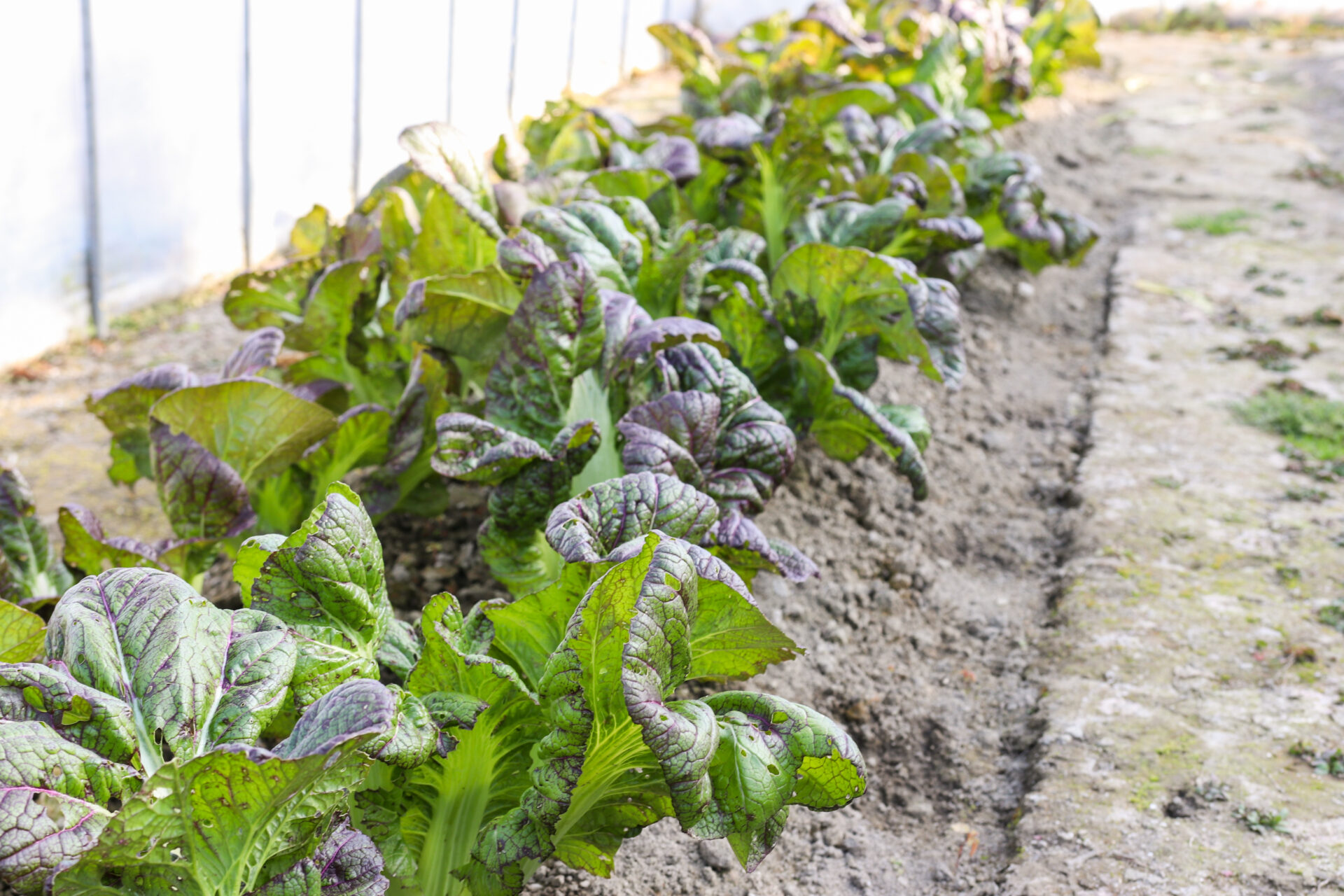
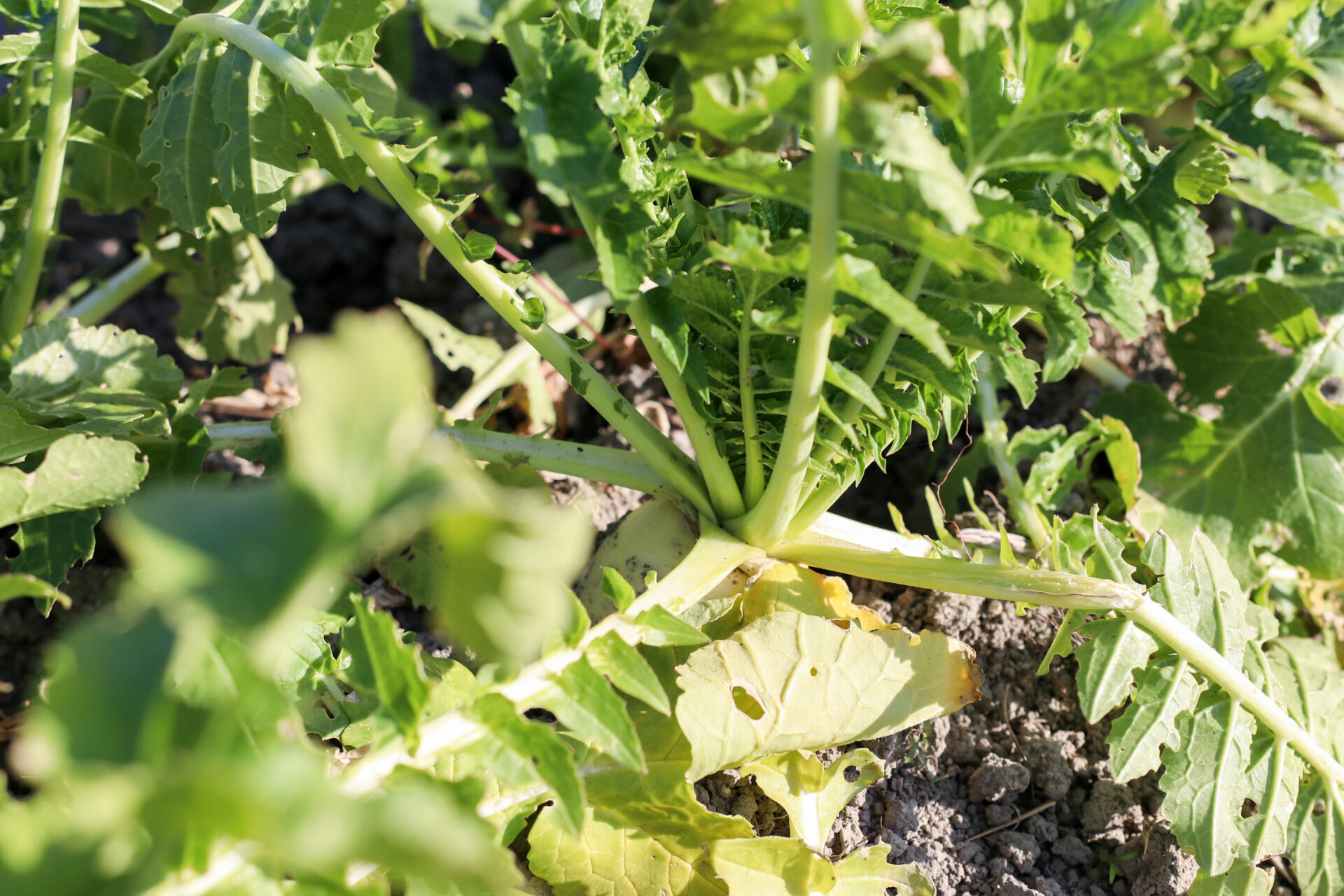
For example, when newcomers or community revitalization staff arrive, locals first observe them, wondering what kind of people they are. As they get to know each other, they’ll say things like, “Take some daikon with you,” or “Do you need anything?” and gradually deepen the relationship. However, sometimes people cannot settle permanently because they struggle to adapt to local customs, or because the community cannot fully support them. This is a challenge for the future.
– Finally, what are your thoughts about your future and the future of the Ota area?
As depopulation progresses, I’ve been thinking about how to find successors. It would be wonderful to meet someone who would take over farming and help protect this area. However, my own livelihood is not yet fully stable, so it’s difficult to hire and train someone. I’ve been considering whether a system of exchanging vegetables or rice instead of money could work, but it’s not easy. The “half-farming, half-X” lifestyle has been attracting attention, and since there will be a lecture in Osaka soon, I plan to attend.
Thinking about 20 or 30 years from now can be worrying, but Ota actually seems quite popular. Many people are looking for houses to move here or use as second homes. I hope the future will remain much like it is now—homes spaced at a comfortable distance and a peaceful way of life.