
Drawn to Kumano’s rich nature, which reminded him of his homeland in Sri Lanka.
— What made you decide to settle in Nachikatsuura after living in the Kanto region and Niigata?
Dance, my life’s work, comes from the culture of warm lands and is deeply connected to the energy of the sun and nature. When looking for a place to live in Japan, I traveled to many regions in search of somewhere I could feel the power of nature. Since my wife’s family is from Nachikatsuura, we decided to visit.
Both the nature and the people were wonderful, so we returned many times while searching for a home. Rather than a lively town center, I was looking for a quieter, more peaceful place. At the time, we knew little about Yatano, and due to my wife’s health we returned once to Sri Lanka. We finally settled here in February 2025.
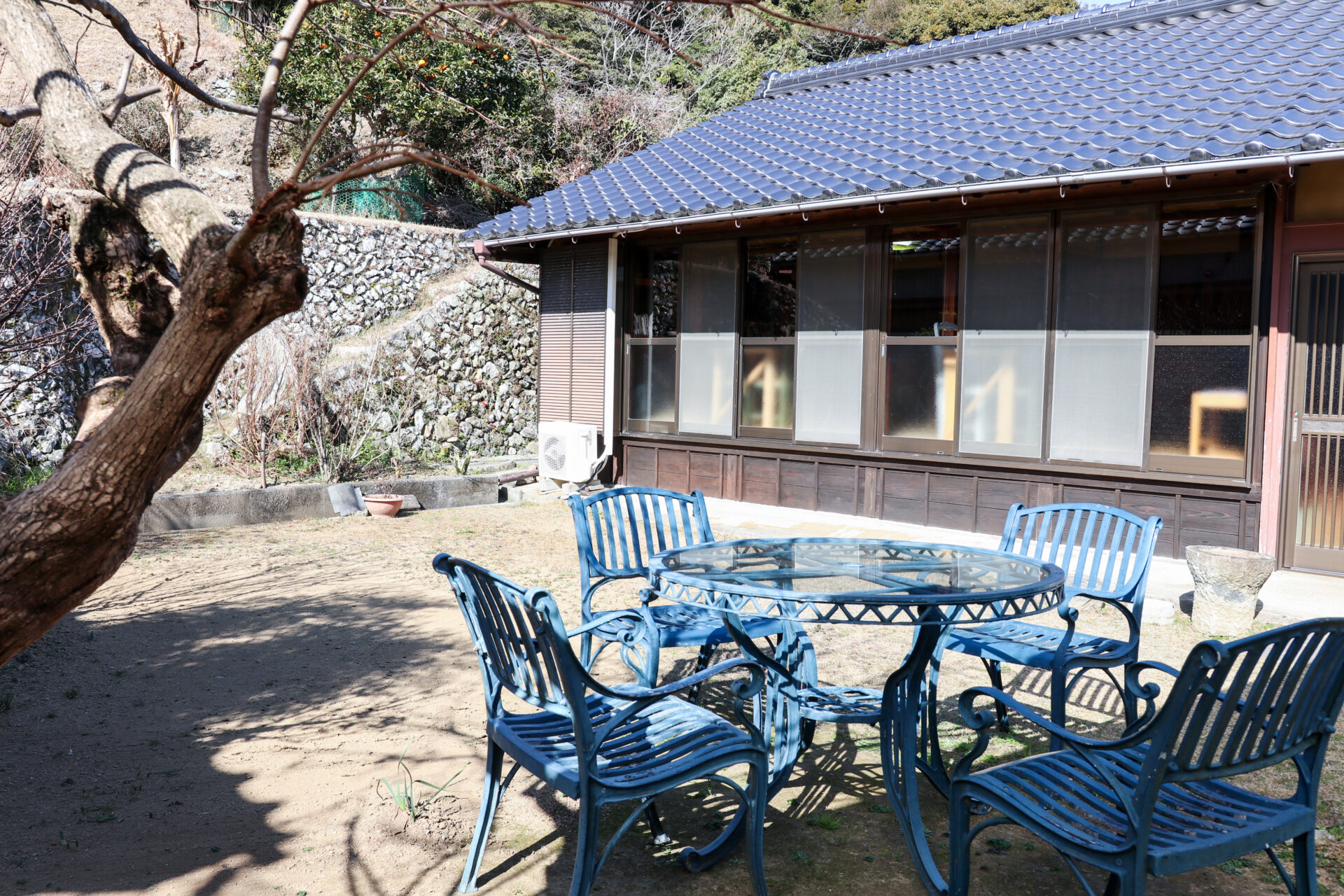
— How did you find your current home?
About six months after returning to Sri Lanka, we began looking again for a place to live in Japan. We first stayed with a friend in Kawasaki. Then I consulted Rev. Nishiyama of Titaiji Temple in the Ota area. He said, “There may be a place that suits you,” and introduced us to the owner of this house.
Interestingly, the house was built long ago with money the owner’s ancestors earned while working in India. Feeling a special connection, the owner warmly welcomed us, saying he would be happy if we used the space to share dance and Sri Lankan culture.
Kandyan Dance and his thoughts for the community
— Please tell us about Kandyan dance and your current activities.
My father’s family has for generations offered sacred dances at the Temple of the Tooth in Kandy, Sri Lanka’s most important temple. Kandyan dance has a history of about 2,500 years and originally began as a healing ritual to cure a king’s illness. It is not for making money, but for bringing joy and well-being to people.
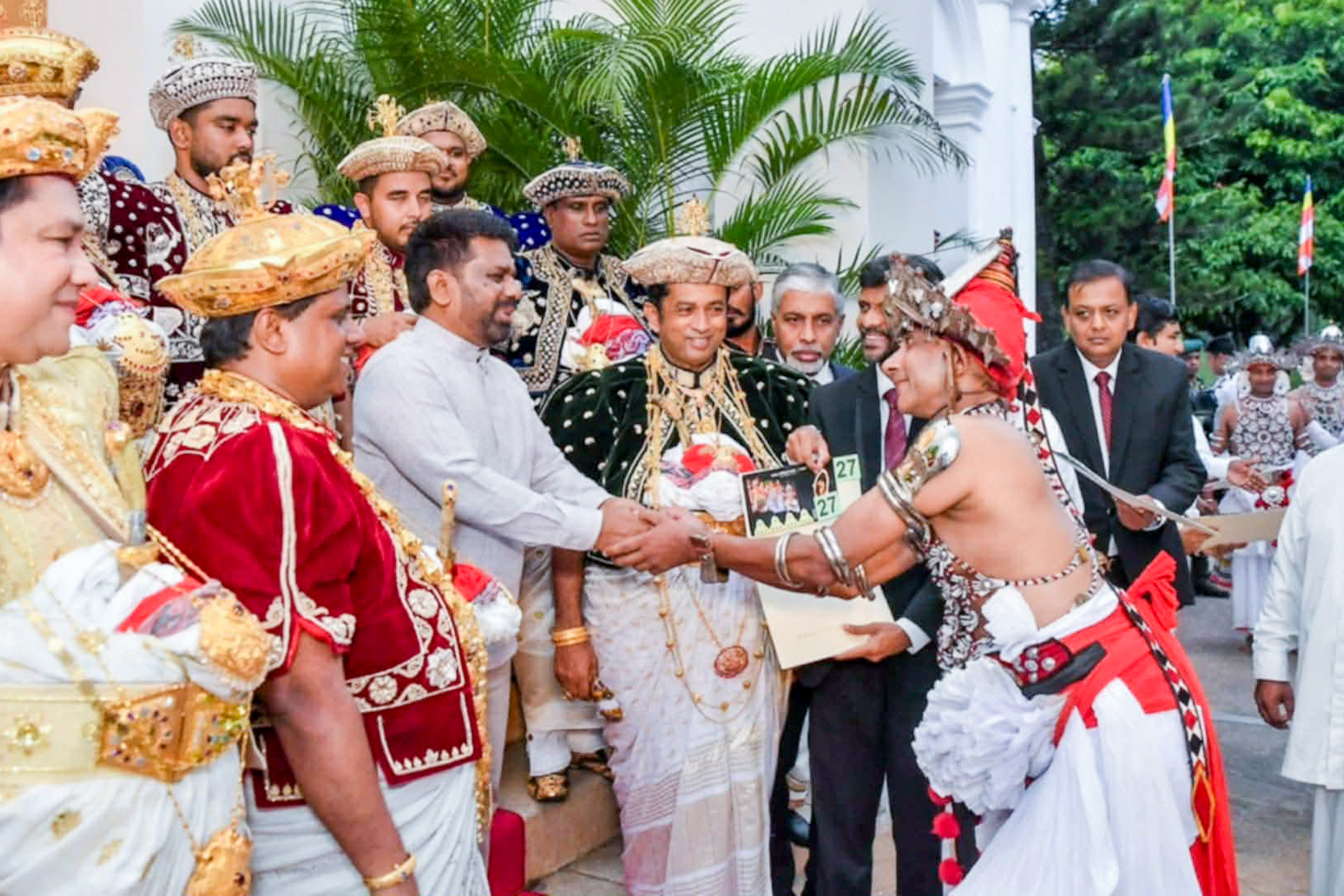
My place is called the Sri Lanka Dance Garden Café “Surasa.” In Sinhala, “Su” means “all,” and “Rasa” means “joy.” The name expresses the idea that everything joyful—dance and food—can be found here.
Surasa also serves as a space for cultural exchange. We have hosted dancers of Balinese and Korean dance, and an Indian dance teacher is scheduled to visit next spring. Events are free so everyone can enjoy them, and we offer tea and light refreshments. Many performers participate voluntarily and also enjoy local hot springs and shrines.
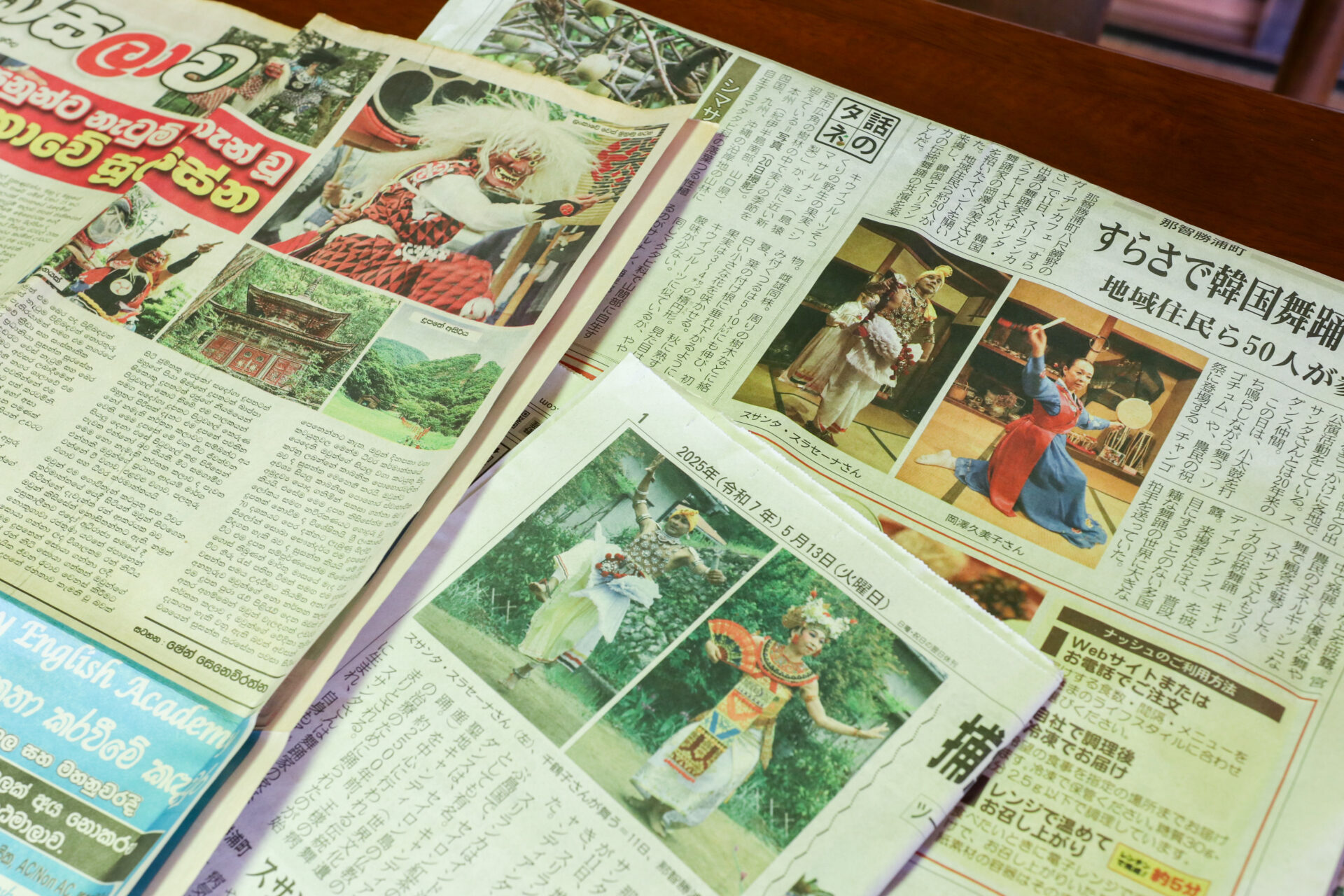
— What is your impression of the local community?
I have lived in many places in Japan, but the people here are truly wonderful. Neighbors treat us like family. Some say they only know farming, but their hearts are pure and warm. That is why I feel an even stronger desire to share cultures from around the world with them.
At events, the people watching most eagerly in the front row are often around 90 years old. Their energy encourages me. People here are also deeply connected to nature and respect it almost like a deity. I find that attitude deeply inspiring.
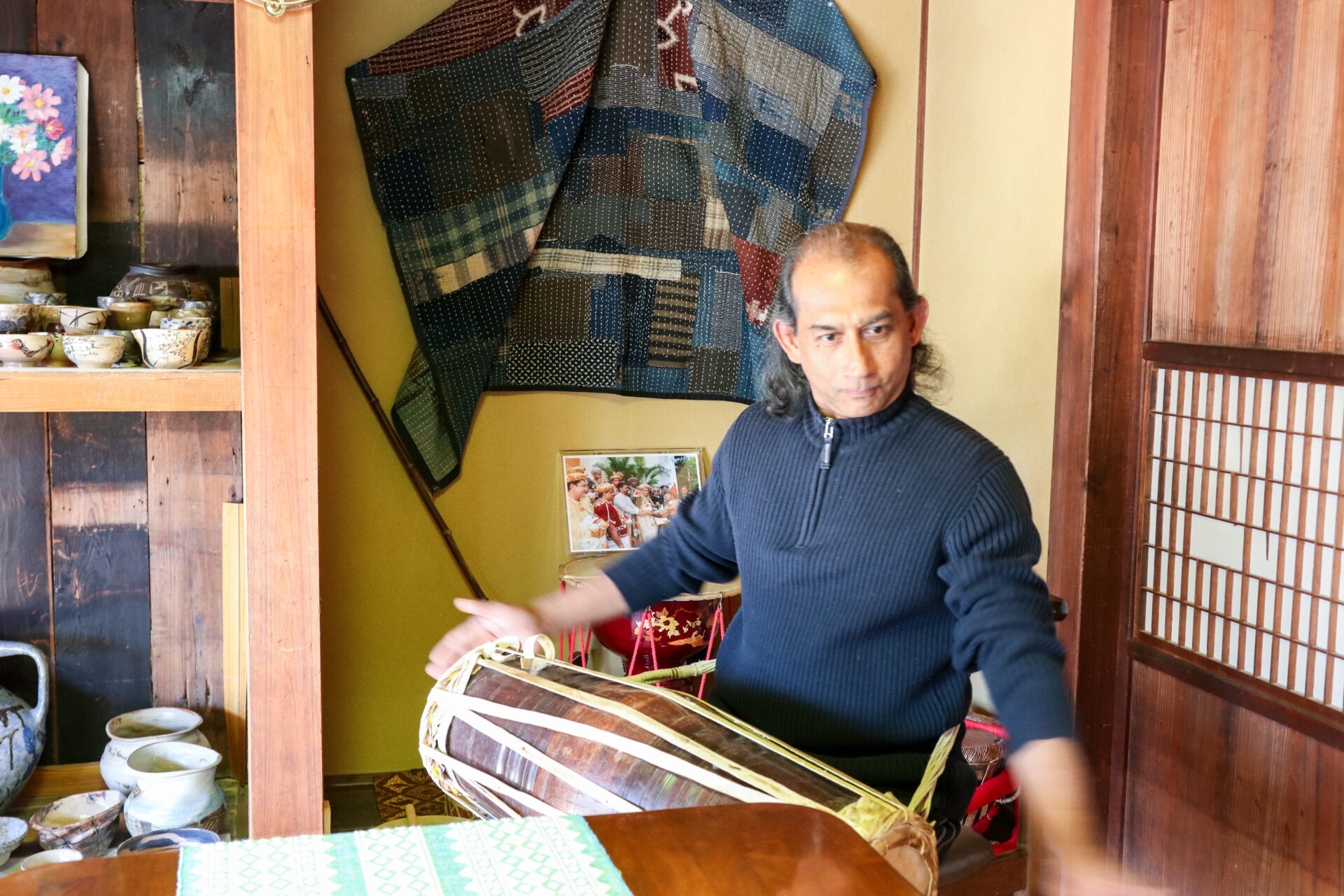
A warm place to share nature and culture
— You also serve food at Surasa. What inspired you to start?
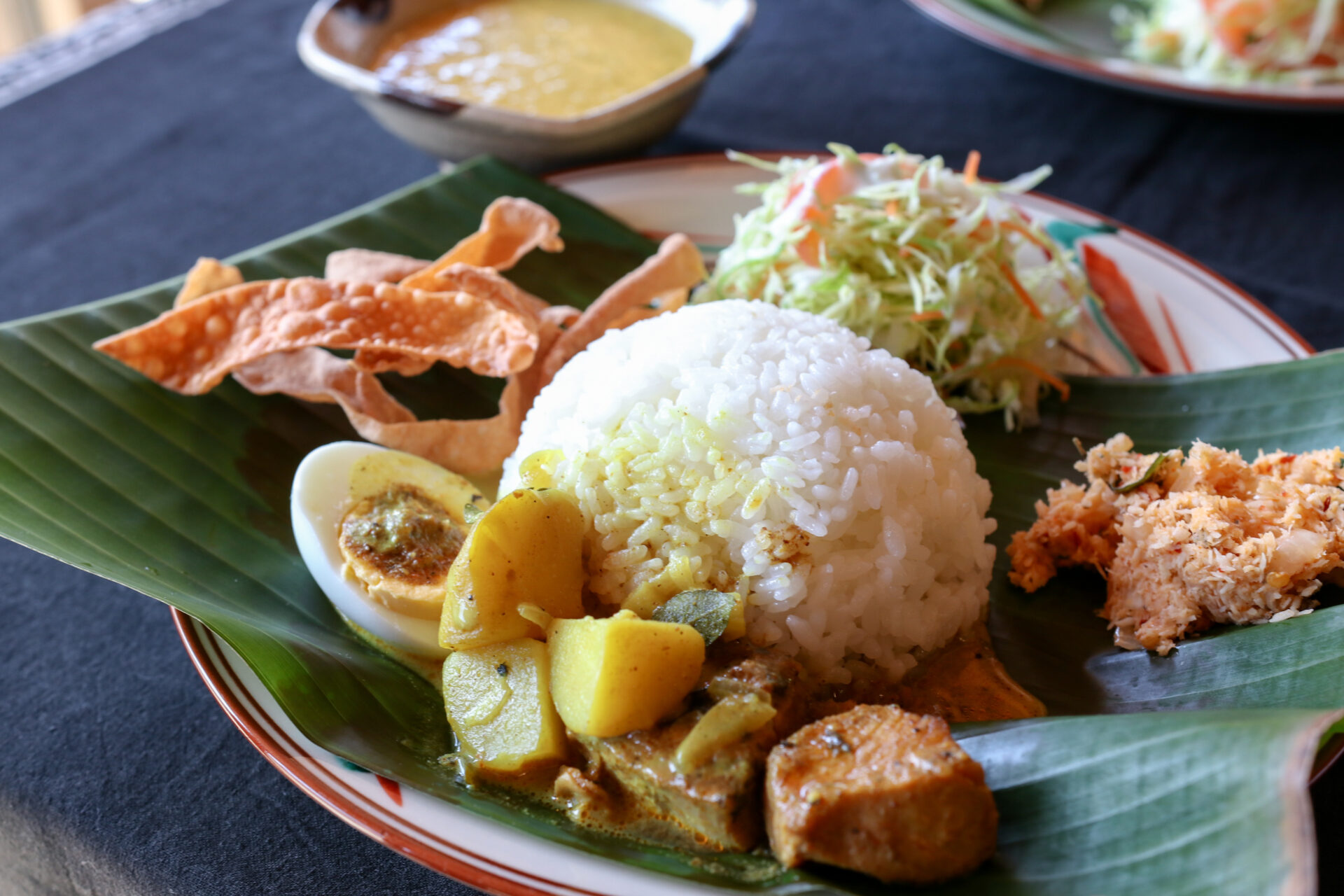
I learned all my curry recipes from my mother. My father traveled the world for dance and was very particular about food. My mother cooked three meals a day with great care.
I began cooking when my father was away on tour and my mother asked me to prepare a meal. My siblings enjoyed the curry I made, and after that I began cooking whenever my father traveled. By the age of 18, I could fully recreate my mother’s flavors, and her words—“You can serve this anywhere”—gave me great confidence.
What I offer is not restaurant cuisine, but Sri Lankan home cooking made by a mother. I chop onions from the morning, use no frozen food or chemical seasonings, and keep oil to a minimum for healthy meals. When I lived in Kawasaki, many people encouraged me to open a place. Now Surasa operates by reservation on weekends. I hope guests feel as if they are visiting a friend’s home.
— How would you like to live here in the future?
I want to show local people things they have never seen, and also let friends in Tokyo and abroad discover the beauty of this place. By dancing, staying together, and sharing our cultures, I hope we can live while sharing joy.
My father was strict, but his dancing shone brilliantly. The dance I inherited from him and the cooking I learned from my mother together form my life today. I have already completed a major project in Sri Lanka—documenting Kandyan dance in a book. From now on, I want to live with gratitude for what my parents gave me and continue enjoying life’s many joys.